
Physical Therapy & Rehabilitation Program
Personalised Rehabilitation Care
The Physical Therapy & Rehabilitation Programme supports people rebuilding mobility, strength, and independence after injury, illness, surgery, or neurological impairment. It combines clinical evaluation with individual physiotherapy, hands-on care, therapeutic exercise, and modern rehabilitation technologies.
Treatment is planned around the source of pain and the way a condition affects everyday movement. Under medical supervision, the programme may help guests:
- Reduce pain and inflammatory discomfort
- Restore joint movement and flexibility
- Rebuild muscular strength and postural control
- Recover function following trauma, surgery, or stroke
- Improve balance, coordination, and neuromuscular control
- Lower the risk of persistent pain and future injury
Areas commonly addressed include back and neck pain, muscle and joint disorders, fibromyalgia, lymphoedema, rheumatic conditions, spinal problems, and limitations affecting the hands or arms.
The programme may suit people recovering from an operation or injury, living with chronic musculoskeletal pain, managing a neurological condition, or experiencing postural and movement problems related to inactivity, work habits, or stress.
How the Programme Is Planned
Under medical supervision, the programme aims to
- Care begins with a detailed medical and functional review. The team assesses posture, movement patterns, muscular strength, joint function, and the likely contributors to pain. Neurological and performance screening may also be used when relevant.
- These findings are translated into a progressive rehabilitation plan. Session type, frequency, and intensity are adjusted to the guest’s condition, programme duration, and response to treatment. Reassessment throughout the stay helps the team measure progress and refine the plan.
- The same structure can support a focused short-term recovery period or a longer programme for people who require more extensive physical reconditioning.
Rehabilitation Methods
Manual and Technology-Assisted Care
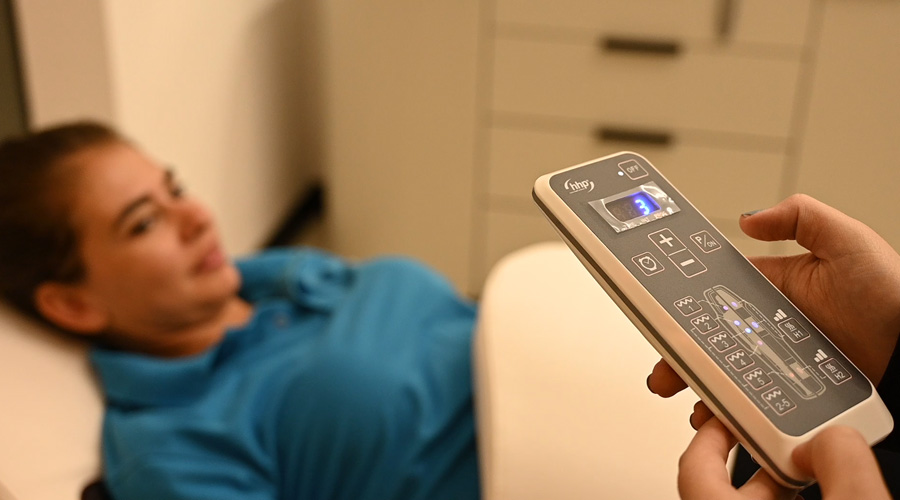
Hands-on techniques are used to reduce soft-tissue tension, improve joint mobility, and support more efficient movement. Electrotherapy and neuromuscular stimulation may assist with pain control, circulation, and muscle activation.
When clinically appropriate, the programme can also include ultrasound therapy, photobiomodulation, magnetotherapy, shockwave applications, matrix rhythm therapy, and percussive techniques. Lymphatic treatments may be added when swelling or impaired fluid circulation requires attention.
Therapeutic Movement
Exercise is a central part of recovery. Corrective and functional movements are selected to develop strength, flexibility, balance, coordination, and motor control. Reformer- and Cadillac-based Pilates work may be used to provide controlled resistance and safe movement practice.
The goal is not only to ease current symptoms but also to address the movement patterns and physical weaknesses that contribute to recurring problems.
Expected Benefits
Depending on the condition and individual response, the programme may support:
- Less pain, stiffness, and inflammation
Greater joint mobility and functional movement - Improved muscular strength and flexibility
Better posture, balance, and movement efficiency - A more structured recovery after injury or surgery
- Reduced likelihood of re-injury
- Increased confidence during daily activity
- Greater physical independence and quality of life
Who May Benefit?
This programme may be appropriate for people with:
- Persistent neck, back, shoulder, hip, or knee pain
- Postural disorders or restricted movement
- Sports injuries and overuse conditions
- Rehabilitation needs after surgery
- Joint stiffness or muscular weakness
- Neurological or musculoskeletal functional limitations
- Discomfort associated with a sedentary lifestyle
| Treatment / Service | 7 Days | 10 Days | 14 Days |
|---|---|---|---|
| Doctor Consultation with Holistic Health Approach | 2 | 2 | 3 |
| Dental Consultation & Dental Check-up | 1 | 1 | 1 |
| Dermo-Aesthetic Doctor Consultation | 1 | 1 | 1 |
| Nutritionist Coaching (Mindful & Emotional Eating) | ✓ | ✓ | ✓ |
| Personalized Nutritional Plan | ✓ | ✓ | ✓ |
| Longevity Supplements | ✓ | ✓ | ✓ |
| Metabolic Blood Analysis | 1 | 1 | 1 |
| Aging Parameters in Blood | 1 | 1 | 1 |
| Health Check-Up | 1 | 1 | 1 |
| 3D Body Scan | 2 | 2 | 3 |
| Electrocardiography | 1 | 1 | 1 |
| Bone and Mineral Assessment | 1 | 1 | 1 |
| Movement Analysis | 1 | 1 | 1 |
| Muscle and Nerve Stimulation | 3 | 5 | 8 |
| Ultrason Therapy | 3 | 5 | 7 |
| Photobiomodulation Therapy | 3 | 5 | 7 |
| Manual Therapy | 2 | 4 | 5 |
| Ozone Sauna Therapy | 3 | 5 | 7 |
| Relaxing Cupping Therapy | 2 | 4 | 6 |
| TCM Acupuncture Therapy | 3 | 5 | 7 |
| Reformer Cadillac Exercise (Pilates-Based Rehab) | 2 | 4 | 6 |
| Graston Therapy (Soft Tissue Mobilization) | 2 | 3 | 5 |
| Lymphatic Circulation Therapy | 3 | 5 | 7 |
| Matrix Rhythm Therapy | 3 | 5 | 7 |
| Anti-Stress Frequency Therapy | 2 | 3 | 4 |
| Andumedic Therapy | 2 | 3 | 4 |
| Percussive Therapy | 2 | 3 | 5 |
| Oxygen Therapy | 3 | 5 | 6 |
| Refunctional Exercise (Corrective Training) | 5 | 8 | 12 |
Programme components and session numbers may be adjusted following medical and functional assessment. Individual suitability must be confirmed before treatment.
A Progressive Route Back to Function
Recovery requires more than temporary symptom relief. By combining personalised assessment, supervised exercise, manual care, and selected technologies, the programme helps guests regain control of movement and return to everyday activities with greater confidence.
It is a medically supervised recovery programme for people affected by injury, surgery, chronic pain, or functional limitation. Alongside improving strength, mobility, and posture, it aims to protect long-term independence and reduce future physical decline.
It can be adapted for surgical and injury recovery, chronic pain such as arthritis or back pain, neurological conditions including stroke, Parkinson’s disease, or multiple sclerosis, sports injuries, and age-related balance or mobility concerns.
Every plan is individual. Options may include physical and functional assessments, manual therapy, therapeutic exercise, electrotherapy, ultrasound, oxygen therapy, ozone sauna, lymphatic drainage, Reformer or Cadillac exercises, cupping, acupuncture, and selected frequency-based therapies.
The programme places physiotherapy within a wider medical and wellness framework. Advanced assessment, complementary therapies, and—where appropriate—IV, acupuncture, ozone, or healthy-aging support can be coordinated with conventional rehabilitation.
Typical options include a seven-day recovery format, a ten-day functional improvement plan, and a fourteen-day programme for more comprehensive rehabilitation and longevity support. Duration can be adjusted following medical review.
An initial consultation and functional assessment are completed before the Cosmos Clinic team prepares an individual treatment plan. Whether a referral or prior medical documentation is needed depends on the person’s condition and planned services.
Medical documentation that may support a reimbursement application can be discussed on request. Eligibility and coverage remain subject to the individual’s insurer, policy terms, and applicable requirements.
Yes. When suitable, rehabilitation may be coordinated with IV infusions, stress-management care, detox support, yoga, or aesthetic services as part of a broader wellness stay.